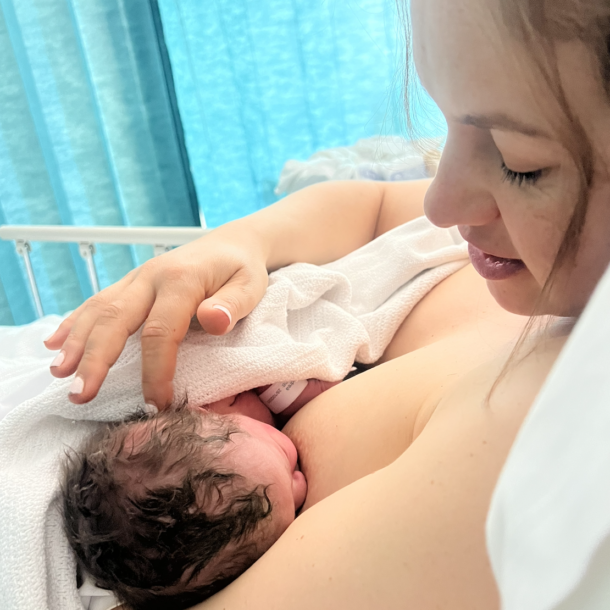
Postpartum weight loss is one of the most emotionally loaded topics in women’s health. It’s vulnerable territory. It’s easy to feel deflated when you look in the mirror and see a new “reset point” that feels far from where you want to be. It can feel overwhelming, unfair, and mentally draining, especially when you’re running on broken sleep, cluster feeds, and the emotional rollercoaster of early motherhood.
But here’s the truth:
Extremes won’t work.
Punishing yourself won’t work. Nor will the comparison trap.
Waiting for the perfect time won’t work.
Thinking you need to do everything at once won’t work.
Not sleeping enough, feeling overloaded, and being time-poor means you cannot rely on intensity, all-or-nothing plans, crash diets, rigid calorie counting, or negative self-talk. Those things don’t build consistency, they break it.
What does work?
Small actions.
Simple structure.
Consistency over perfection.
One-percent improvements that build confidence, capability, and momentum.
Whether you’re postpartum or simply wanting to change your body composition, these are exactly the places I would start.
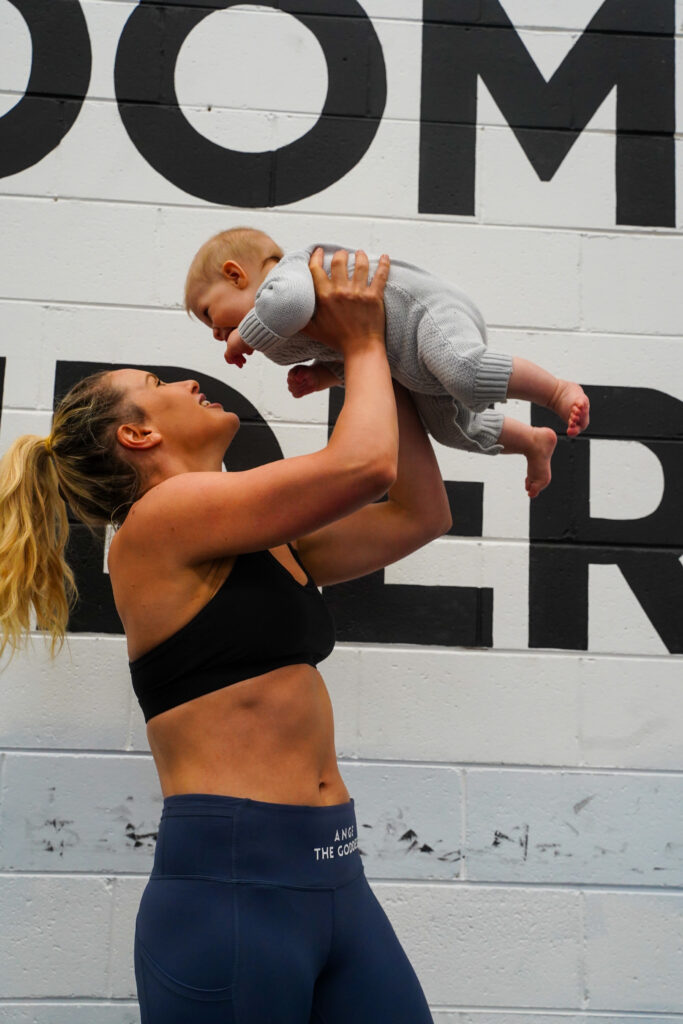
In the postpartum period, obsessing over numbers creates stress and stress creates the opposite environment your body needs to lose fat.
Instead, focus on structure and nourishment.
Aim for 30g of protein at breakfast, and anchor every other meal with another high-quality protein source. Add a generous handful of vegetables at every meal to boost fibre intake.
Fibre feeds the “good” bacteria in your gut, particularly Bifidobacteria and Akkermansia, which play a role in blood sugar control, inflammation, digestion, and even mood. These ratios can be disrupted during pregnancy and postpartum, so restoring them supports fat loss and overall wellbeing.
If you need inspiration, check out some of our favourite high-protein breakfast recipes on our blog.
The fourth trimester is the perfect time to redefine your routine.
You don’t need a big training schedule. It can be as simple as a daily walk.
Start with a few minutes each day, monitor recovery and bleeding, and slowly with 10-15 minutes on your feet and build toward 40–60 minutes on most days. Walking supports circulation, healing, mental clarity, sleep quality, lymphatic drainage, and emotional regulation, all things new mums desperately need. Be sure to also corner out time with your feet up too.
One of the most supportive habits you can adopt is pausing before you eat.
Ask yourself: Am I hungry?
I usually aim to eat every 3–4 hours, and this question helps me distinguish true hunger from tiredness, thirst, boredom, stress, or habit. Postpartum, it’s easy to snack mindlessly — often on sugar — because you’re depleted. But learning to recognise emotional hunger versus physical hunger helps break unhelpful loops and rebuild trust with your body.
With time, you’ll develop alternative strategies to soothe emotions without automatically reaching for food.
Strength training is essential postpartum, but it must be progressive.
Start with breathing, mobility, pelvic floor work, and gentle activation. Then slowly build intensity as your core and connective tissues improve. These short sessions (20–40 minutes) rebuild stability, strength, confidence, and movement literacy.
Your body is still healing.
Your recovery capacity is compromised.
Your hormones are shifting.
Your workouts should reflect that. They should not look like your old group classes.
Aim for 3–4 sessions per week. If you’re unsure where to start, grab our 12-Week Return to Exercise Guide — it’s packed with progressive workouts, education, and structure.

Ange Drake is a personal trainer, women’s empowerment coach and fitness blogger in the northern suburbs of Melbourne. She is the director of one of the few womens’ only strength training gyms in Melbourne, 23W. Ange helps women to learn how to use strength based training, nutritional strategies and a positive mindset to transform their bodies, relationship with food and mind.