
Lower back tightness is one of the most common things I hear women quietly put up with, especially postpartum, busy mums, and women who lift.
And somewhere along the way, it’s become normalised.
But here’s the truth:
👉 A sore or constantly tight lower back is not normal.
It’s information.
For a long time, I ignored mine.
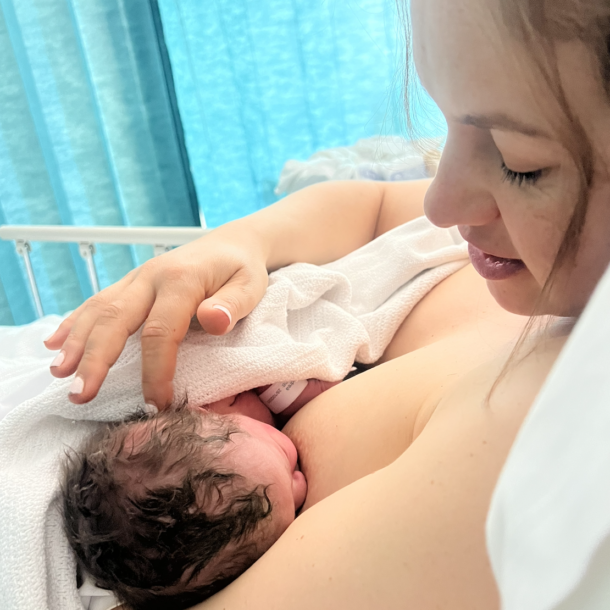
Around 10 months postpartum with my first bubbs, I had a low-level, nagging tightness through my lower back. Nothing dramatic. Nothing that stopped me training. Just enough to notice and enough to quietly work around.
I told myself it would settle. That it was just part of the season I was in.
It didn’t.
Eventually, I realised it wasn’t going to magically disappear. So instead of hoping, I took action, and the steps below are exactly what I followed.
1. Stop Ignoring It and Hoping It Will Go Away
This is the first and hardest step. Low back tightness often creeps in slowly. It doesn’t feel “injury-worthy,” so we keep training, stretching randomly, or self-managing without a plan.
But persistent tightness is usually a compensation strategy, not the problem itself.
In my case, my back wasn’t “weak”, it was doing too much because other areas weren’t doing enough. Ignoring it doesn’t make you tough.
It just delays progress.
2. Get It Assessed (Properly)
A good physio assessment is invaluable.
They can identify:
Most experienced personal trainers can also perform basic movement and strength assessments, which can be a great starting point, but if pain or tightness is ongoing, a physio should be involved.
Clarity changes everything.
3. Use the Physio Notes to Inform Training, Not Stop It
This is where people often go wrong.
Getting assessed does not mean:
In my case, I simply trained smarter.
If you train at 23W, this is why we ask for physio notes, so we can actually action them inside your program.
If you work with a trainer elsewhere, those notes should always be shared. Rehab shouldn’t live in isolation from training.
4. Strive for Hip Balance, Mobility and Stability
Lower back tightness often shows up when the hips aren’t doing their job.
That might mean:
The answer isn’t just stretching.
You need:
Balanced hips reduce unnecessary stress through the lumbar spine, especially under load.
5. Build Strength at End Range
This one is often missed.
It’s not enough to be strong in your “comfortable” range.
You need strength where you’re weakest.
End-range strength:
This might look like:
These are the things that protect your back long term.
6. Know Your Weak Points, and Work on Them
Your weak points will always show up eventually.
Usually when:
Ignoring them doesn’t make them go away, it just increases the chance they’ll limit you later.
Your back pain isn’t the problem.
It’s the messenger.
And if you listen early, you don’t have to stop doing what you love — you just get better at it.

Ange Drake is a personal trainer, women’s empowerment coach and fitness blogger in the northern suburbs of Melbourne. She is the director of one of the few womens’ only strength training gyms in Melbourne, 23W. Ange helps women to learn how to use strength based training, nutritional strategies and a positive mindset to transform their bodies, relationship with food and mind.