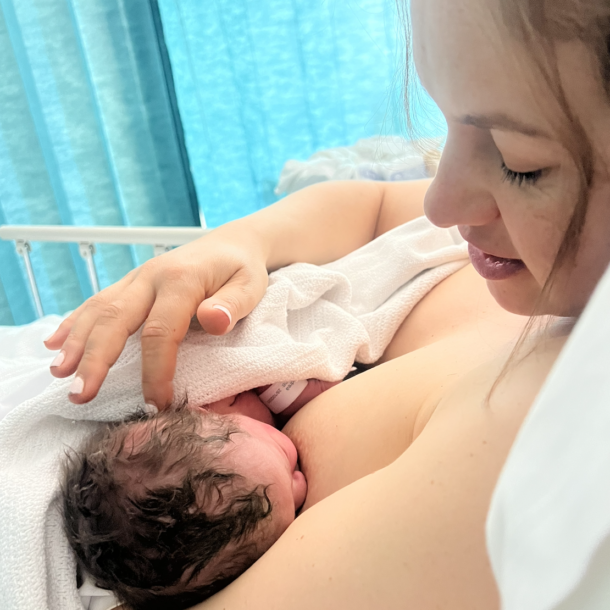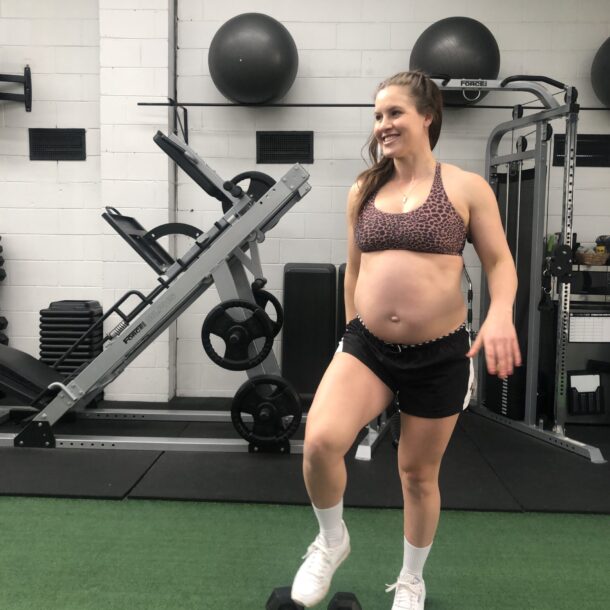
I’ve moved through pregnancy and postpartum three times now, and still, nothing quite prepares you for the experience of being in a body that feels unfamiliar.
A body that looks different.
Functions differently.
Carries fatigue in a way you’ve never known before.
There’s a quiet disconnect that can happen in this season. You understand why your body has changed, but that doesn’t automatically make you feel at home in it. Add in broken sleep, the demands of caring for a baby, and the mental load that comes with motherhood, and it’s easy to feel like you’ve lost your footing entirely.
If you’re in that space right now, I want you to know this feeling is far more common than it is talked about. And more importantly, it’s not where your story ends.
What I’ve come to learn is that postpartum isn’t about getting your body “back.” It’s about learning how to work with a new version of yourself. One that has been through something significant and deserves time, space, and the right kind of support to heal and rebuild.
Postpartum isn’t just physical recovery. It’s identity, routine, energy, and capacity all shifting at once.
Your body has changed structurally.
Your hormones are fluctuating.
Your sleep is disrupted.
Your time is no longer your own.
So when you feel lost, it’s not a lack of discipline or motivation. It’s a reflection of how much has changed in a short period of time.
Instead of trying to rush back into what you used to do, the goal is to create a pathway that helps you reconnect with your body again.
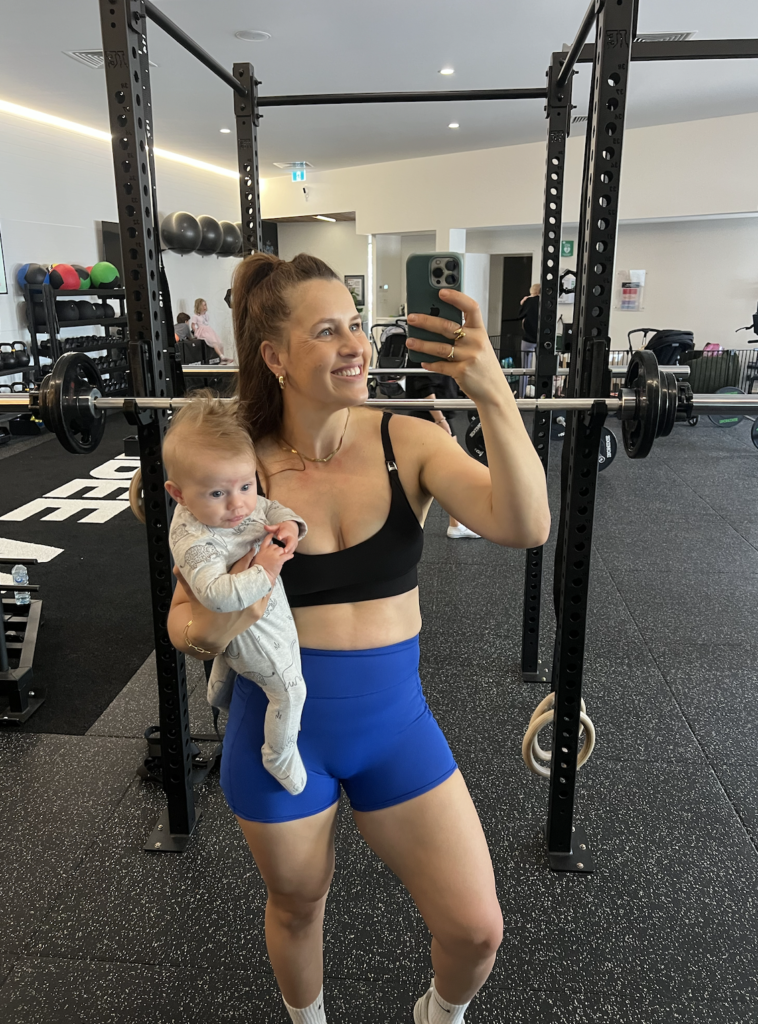
One of the biggest mistakes I see is women trying to “fast track” their recovery. Your body doesn’t respond well to pressure in this phase.
Healing requires time. Strength requires consistency. Neither can be rushed.
Start by removing the expectation that you need to be back where you were.
Before jumping into high intensity training or long sessions, focus on the basics:
This isn’t about doing less. It’s about doing what matters most first.
Exercise in this phase should feel like a bridge back to your body, not a way to “fix” it.
That might look like:
The goal is to leave sessions feeling better than when you started, not depleted. Every time, I start to feel this in myself, I take a rest day and try to move slower through my day.
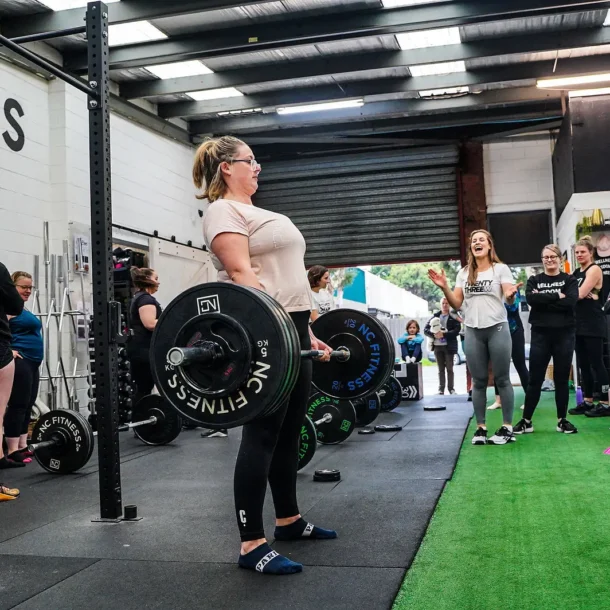
Strength training is incredibly powerful postpartum because it gives you tangible feedback that your body is adapting and improving.
You start to feel:
It shifts the focus away from how your body looks and towards what it can do, which is often the missing piece in rebuilding confidence.
Progress in this phase doesn’t always look like big milestones.
It might be:
These wins matter more than anything aesthetic in the early stages.
This could be a coach, a physio, or a community of women who understand this phase.
You don’t need to figure this out alone, and having the right guidance can fast track your confidence while still respecting your recovery.
If you’re feeling lost in your postpartum body, it doesn’t mean you’ve gone backwards. It means you’re in a transition.
With time, with the right kind of movement, and with patience, you don’t just find your way back, you build a stronger, more connected relationship with your body than you had before.
And that version of you is worth taking your time for.

Ange Drake is a personal trainer, women’s empowerment coach and fitness blogger in the northern suburbs of Melbourne. She is the director of one of the few womens’ only strength training gyms in Melbourne, 23W. Ange helps women to learn how to use strength based training, nutritional strategies and a positive mindset to transform their bodies, relationship with food and mind.