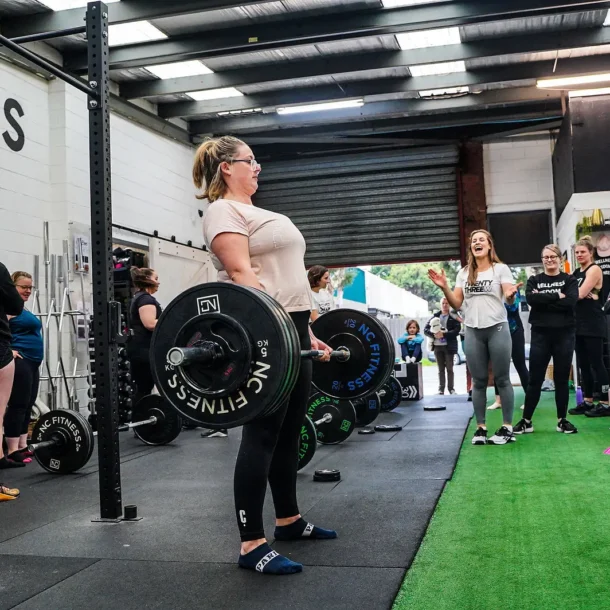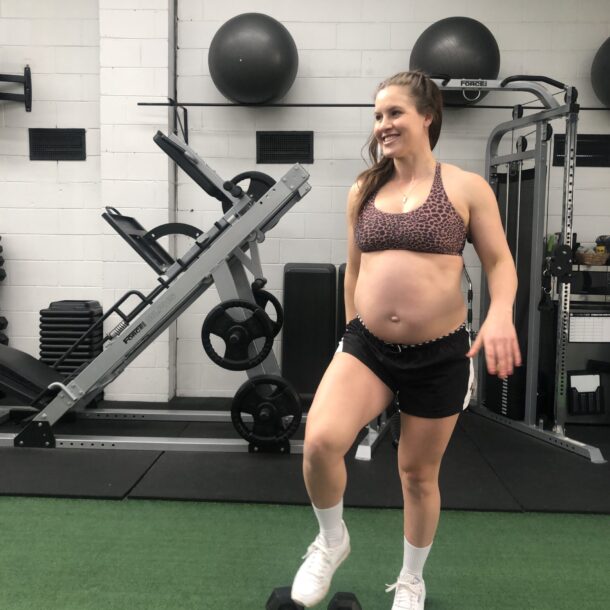
Returning to training postpartum can feel both exciting and intimidating—especially when barbells are involved. Many women wonder “Am I ready yet?” or worry that they’re either holding themselves back too much… or pushing too soon.
At 23W, we don’t rush women back under a barbell and that’s by design. We believe the strongest, safest return to loaded lifting comes from rebuilding foundations first. This blog is here to help you understand what “ready” actually looks like, and to give you confidence that when you do return to barbells, your body is prepared to support it.
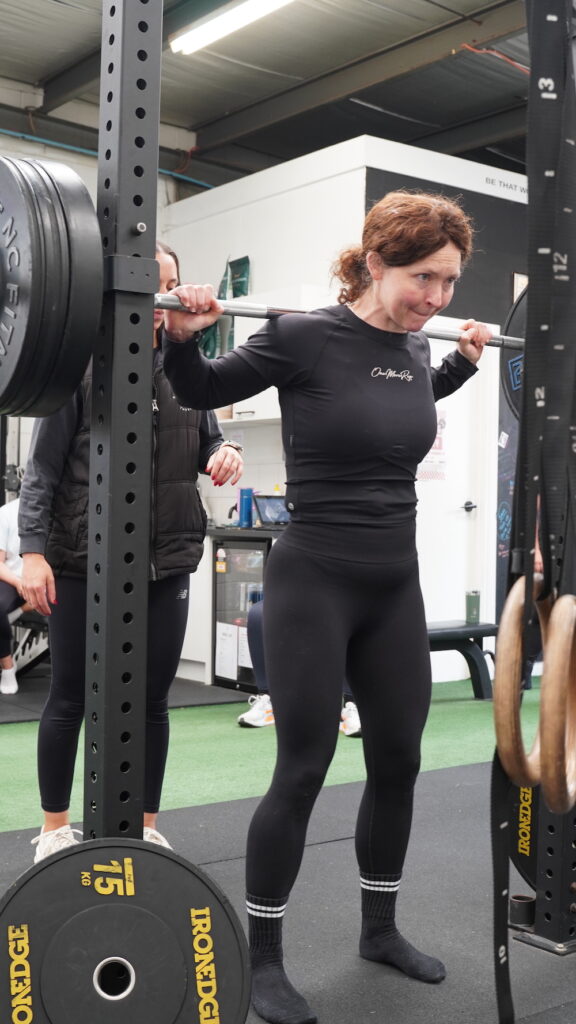
Barbell training postpartum isn’t about time since birth; it’s about capacity.
Capacity to manage pressure.
Capacity to stabilise under load.
Capacity to move well without compensation.
Here are the key signposts we look for before reintroducing barbells.
Consistency matters more than intensity early on.
Training regularly for at least 4–8 weeks tells us that:
This reduces the risk of compensations, such as overusing the lower back, gripping through the pelvis, or relying on momentum rather than muscle. When consistency is there, the body is far more likely to use the right muscles at the right time once load is added.
Before barbells, we want to see:
This means no doming, leaking, pain, or excessive bracing.
Barbells amplify whatever strategy your body is already using so we make sure that strategy is sound first.
We don’t go straight back to a barbell back squat.
Instead, we work through:
These movements teach load transfer, control, and alignment. If these feel strong and stable, the barbell becomes a progression, not a shock to the system.
This is a big one.
Signs you’re ready include:
If training leaves you feeling more connected and capable, not fragile or sore in the wrong places- that’s a green light.
Readiness isn’t just physical, it’s psychological.
Confidence matters. Knowing how to brace, breathe, reset, and modify gives you ownership over your training. At 23W, our systems are designed so you’re never guessing- you’re progressing with intention.
Barbell training postpartum isn’t something you earn by pushing harder.
You earn it by rebuilding well.
If you’re working through foundations, staying consistent, and moving with control, you’re not delaying progress. You’re setting yourself up for long-term strength, confidence, and resilience.
And when you do step back up to the bar?
You’ll be ready.

Ange Drake is a personal trainer, women’s empowerment coach and fitness blogger in the northern suburbs of Melbourne. She is the director of one of the few womens’ only strength training gyms in Melbourne, 23W. Ange helps women to learn how to use strength based training, nutritional strategies and a positive mindset to transform their bodies, relationship with food and mind.