I have been meaning to tell this story since the first week of Stevie’s life. Not because I believe every baby with a tongue tie needs the same treatment.
Not because I think my experience is the same as every other mother’s.
But because I cannot stop thinking about how different this experience could have been if Stevie had been my first baby.
When Stevie was born, her tongue tie was noticed by the midwives in hospital. I noticed it too.
I had been here before. My second daughter, Sienna, was also born with a tongue tie, and hers was treated within the first few days of her life.
So when I saw the same thing with Stevie, I assumed we would have a similar conversation.
Instead, we were advised that the general approach was to wait and see whether it caused problems with feeding and, if we needed further help, to seek support after discharge.
On paper, “wait and see” can sound reasonable.
The problem was that, for me, things were already going wrong.
Anyone who has had a baby knows how blurred those first days can be.
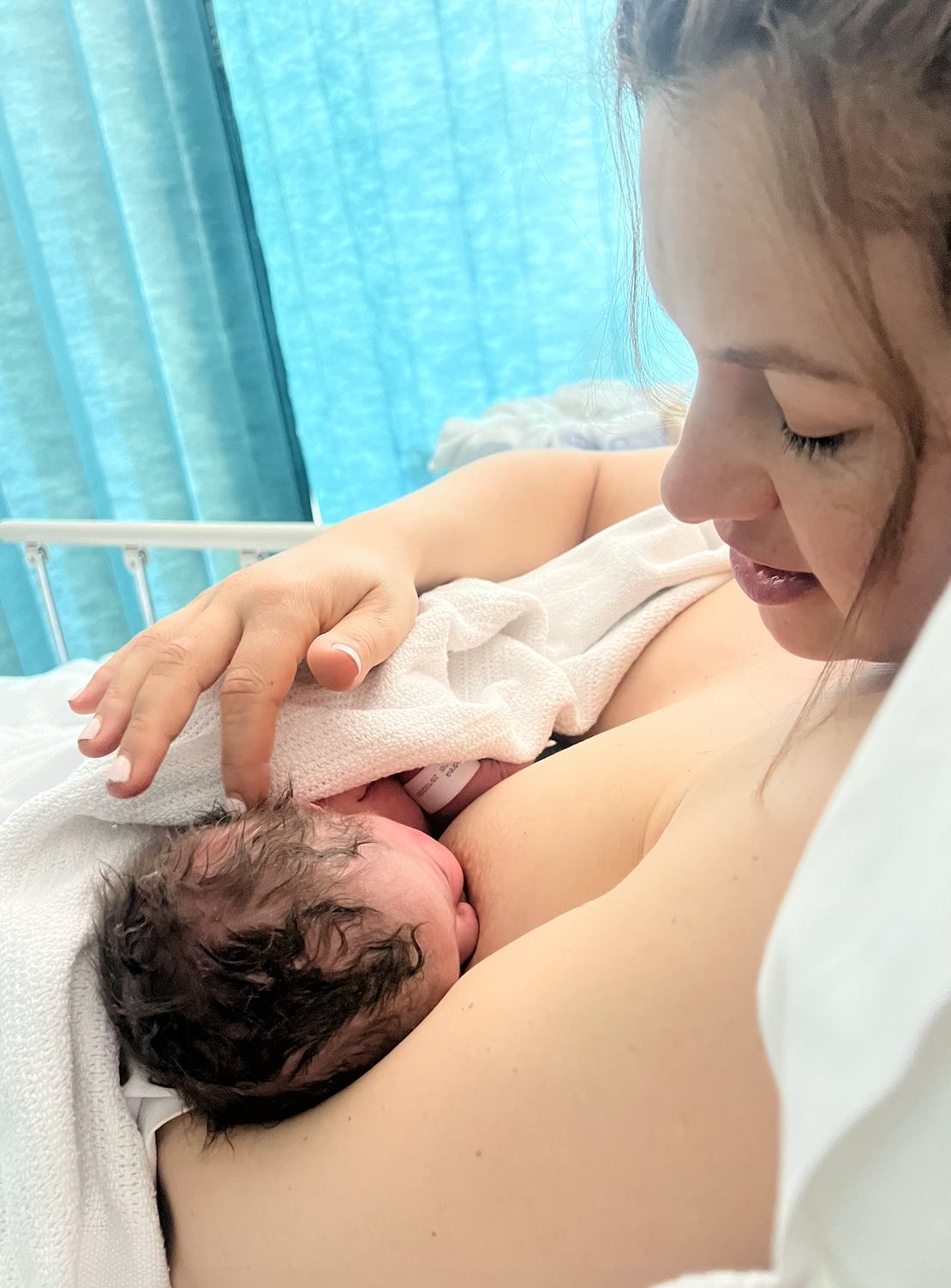
I was recovering from a caesarean, functioning on very little sleep and spending nights in a shared hospital ward. I was feeding a newborn around the clock while also trying to recover from major abdominal surgery.
At first, my increasingly sore nipples felt like one more thing on a very long list.
But the pain kept getting worse.
My nipples became severely blistered. Every time Stevie latched, I would tense my whole body and wince.
And this is where my experience as a third-time mum mattered.
I had breastfed two babies before.
I knew that establishing breastfeeding can be uncomfortable. I knew that there can be challenges. But I also knew that the level of pain I was experiencing did not feel normal for me.
I raised my concerns and continued asking for help.
We were eventually discharged with a list of people and services we could contact.
So we started calling.
One after another, we contacted people on the list.
The message we kept receiving was that appointments were not available for several weeks.
Meanwhile, I was in significant pain every few hours.
There is a huge difference between telling a new mother that help exists and making that help genuinely accessible when she needs it.
Eventually, I broke down.
I remember crying because I simply could not face another feed with that level of pain. I also really blew up at my 4 year old who was trying to get in on the newborn action, needless to say it ended in tears and the words no mum wants to hear 4 days postpartum ‘I hate you mummy’.
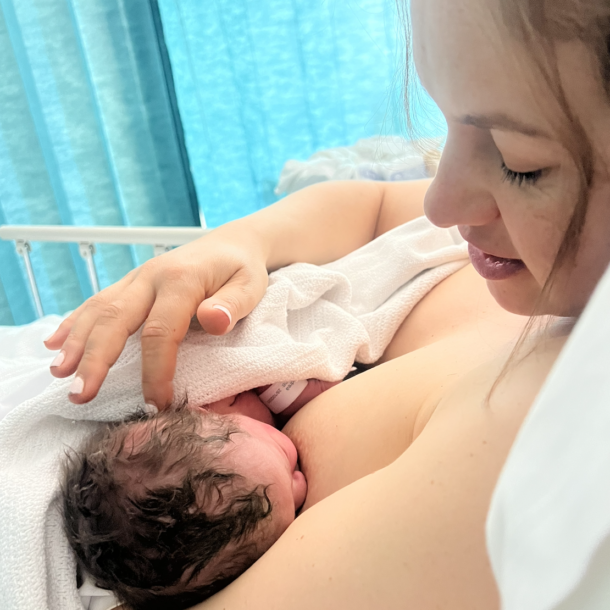
So I made the decision to pump and give Stevie a bottle while giving my nipples time to recover.
I am comfortable saying that because I think mothers need to hear it.
Feeding does not have to be an endurance test.
Changing the plan, even temporarily, is not a failure.
For us, pumping and bottle feeding in that moment gave me the physical and emotional space to work out our next step. My midwives are quick to tell you to avoid doing this beacuse of ‘nipple confusion’ or creating supply issues… to which point I say ‘trust your gut’.
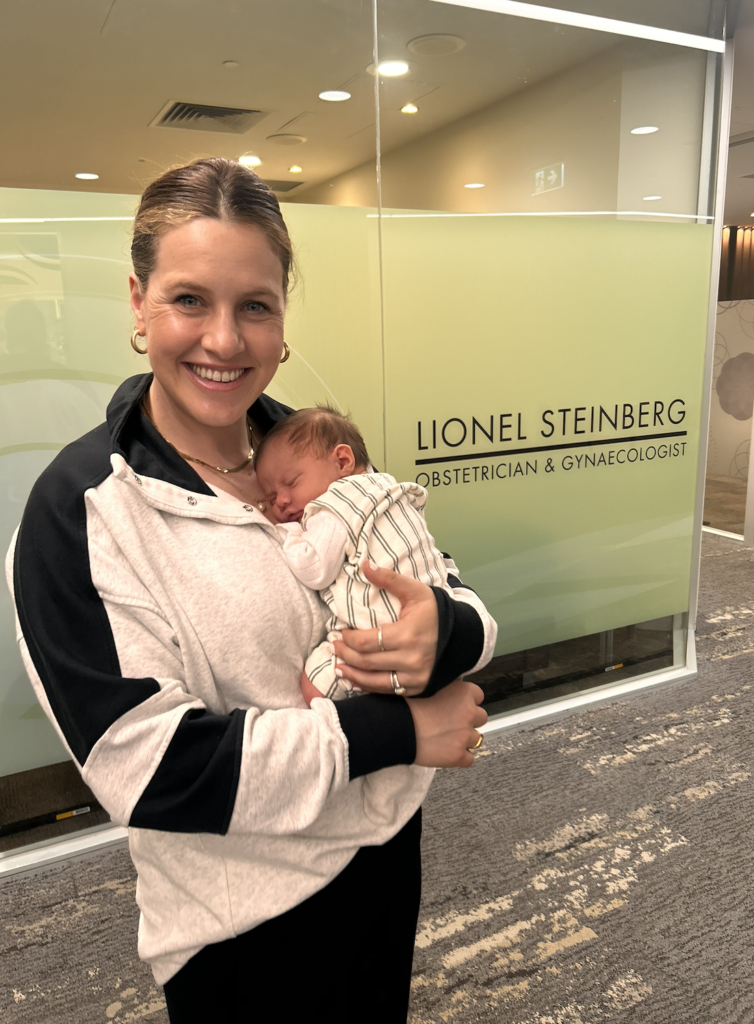
Eventually, we contacted the rooms of doctor, Dr Lionel Steinberg in East Melbourne who went above and beyond to make space for us that day. Note: If I was foolish enough to have a fourth baby I would 100% go back there!
There was one short appointment available.
We took it.
We packed up our five-day-old baby, got into the car and drove across Melbourne for Stevie to be assessed. After that assessment, her tongue tie was treated.
I was enormously grateful that we found someone willing and able to see us so quickly.
But I was also very aware of something else.
We were able to do that because of our circumstances.
We had a car.
We could pack up and leave at short notice.
We had the confidence to keep calling.
We had previous experience that told us something was wrong.
And we were financially able to pay privately for care.
What happens to the family who cannot do those things?
This is the part that has stayed with me.
What if Stevie had been my first baby?
Would I have believed that the pain was something I simply had to tolerate?
Would I have continued feeding through severely damaged nipples because I thought stopping, pumping or giving a bottle meant I had failed?
Would I have known to keep asking questions?
Would I have had the confidence to challenge the idea that I should simply wait?
And after weeks of painful feeding, what kind of association would I have developed with breastfeeding?
These questions matter because early postpartum experiences can be incredibly vulnerable.
A new mother is recovering physically, navigating enormous hormonal changes, sleeping in fragments and learning how to care for a completely dependent little person.
She should not also have to become an expert navigator of a fragmented referral system while in pain.
I want to be clear: this is not an argument that every baby with a tongue tie needs a procedure.
Tongue tie assessment and feeding difficulties can be complex, and decisions about treatment should be made individually with appropriately qualified health professionals.
My concern is about the gap.
The gap between noticing a possible problem and receiving a thorough assessment.
The gap between a mother saying feeding is painful and receiving practical support.
The gap between being handed a list of phone numbers and actually being able to access care.
The gap between what is technically available and what is realistically accessible to a mother with a newborn.
“Wait and see” may sometimes be an appropriate clinical approach.
But mothers still need support while they wait.
One of the biggest lessons I have taken from having three babies is that mothers know more than we sometimes give them credit for.
That does not mean we always know the diagnosis.
It does not mean every concern will require medical intervention.
But when a mother says something feels wrong, she deserves to be listened to.
When she says she is in significant pain, that pain deserves attention.
When feeding is not going well, she deserves timely, practical and accessible support.
Not just a list.
Not just reassurance that it might improve.
And not the expectation that she should endure weeks of pain before her concerns are taken seriously.
I am incredibly grateful that our story had a positive outcome.
But access to timely postpartum support should not depend on whether a mother has done this before, knows which questions to ask, has the ability to travel across a city at a moment’s notice or can afford to pay privately.
New mothers deserve better bridges between hospital care and community support.
Because those first days matter.
And sometimes, so does listening when a mum says:
I know this doesn’t feel right.

Ange Drake is a personal trainer, women’s empowerment coach and fitness blogger in the northern suburbs of Melbourne. She is the director of one of the few womens’ only strength training gyms in Melbourne, 23W. Ange helps women to learn how to use strength based training, nutritional strategies and a positive mindset to transform their bodies, relationship with food and mind.